Stop Relying on Willpower: Make the Healthy Choice the Easy Choice
Eating healthy doesn’t have to be a daily battle of willpower. By making a few simple changes to your kitchen, routines, and environment, you can make healthy choices easier and more convenient. Here are practical ways to set yourself up for success and make healthy eating a natural part of your everyday life.

Affiliate Disclosure: This post may contain affiliate links. As an Amazon Associate, I earn from qualifying purchases at no additional cost to you. I only recommend books, products, and resources that I genuinely use, trust, or believe will be helpful. For more information, see my full affiliate disclosure here.
Have you ever found yourself reaching for a snack you hadn’t planned to eat simply because it was there? Or ordered takeout because you were hungry, tired, and had nothing ready for dinner?
Many people assume that eating well is a matter of willpower. If we could just be more disciplined, resist temptation, and stick to our plans, we’d make healthier choices.
But what if the problem isn’t a lack of willpower? What if we’re making healthy living harder than it needs to be?
Think about it. When you’re hungry and exhausted, how likely are you to spend an hour preparing dinner? And when a bowl of fresh fruit is sitting on the counter while a bag of chips is within easy reach, which one are you more likely to grab?
Our surroundings influence our everyday decisions more than we might realize.
The good news is that you can use this to your advantage. Instead of constantly fighting temptation or relying on motivation, you can make small changes to your environment and routines that make healthy choices easier.
Here are 11 ways you can make healthier food choices, without willpower.
1. Keep Healthy Foods Where You Can See Them
When something is visible and convenient, we’re more likely to think about it and reach for it.
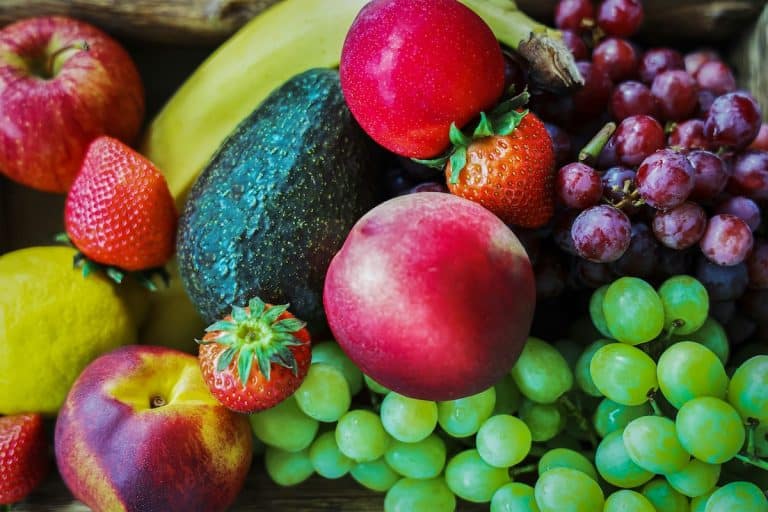
Keep a bowl of fresh fruit on your kitchen counter. Apples, oranges, bananas, and seasonal fruit make colourful additions to your kitchen, while providing a convenient snack when hunger strikes.
You can also make healthy foods more visible inside your refrigerator. Keep washed grapes and berries in clear containers, and store prepared vegetables where they’re easy to find.
The goal is simple: when you’re looking for something to eat, make nutritious options easy to see and easy to grab.
2. Make Tempting Foods Less Convenient
Have you ever heard the expression, “Out of sight, out of mind”?
Just as making healthy foods visible can encourage you to eat them, having less nutritious snack foods readily available can make them harder to resist.
How many times have you reached for cookies, chips, or other less healthy snacks, simply because they were there and available? Even if you hadn’t planned on eating them, simply seeing them in your pantry can trigger you into eating them.
If you find certain foods make it difficult to follow your eating goals, consider changing what you keep in your kitchen.
You might choose not to bring those foods home, store them somewhere less visible, or replace them with options that better support your goals.
For example, potato chips are my weakness, so I purposely don’t buy them. But I have 4 other family members who also like potato chips and will sometimes buy them. I’m not going to tell them they can’t buy potato chips – they’re adults and they can do what they want. I do, however, ask them to keep them somewhere where I won’t see them. Because I know myself enough to know I won’t be able to resist. And a handful is never enough, I always want to go back for more.
This isn’t about labelling foods as good or bad, or expecting yourself to eat perfectly. It’s about recognizing what influences your choices and making your environment work for you rather than against you.
You don’t have to resist a temptation that’s never put in front of you in the first place.
This isn’t to say you can never indulge in junk food. But if you have to get in your car and drive to the store when a craving strikes, that creates a lot more friction than just walking to your pantry. It might be enough friction that you can’t be bothered – so you choose the healthier option you already have at home instead.
Since I don’t buy potato chips, if someone in my house wants them, they have to drive to the store and buy them themselves – which also means they are less likely to eat them. So, indirectly, I’m helping my family be healthier, too!
3. Prepare Healthy Snacks Ahead of Time
Nutritious foods can feel inconvenient when they require a lot of preparation.
Imagine you’re hungry and want some watermelon. You have two options: a whole watermelon that needs to be cut up, or a container of ready-to-eat watermelon in the refrigerator.
Which are you more likely to choose when you’re short on time?
A little preparation can remove that extra step.
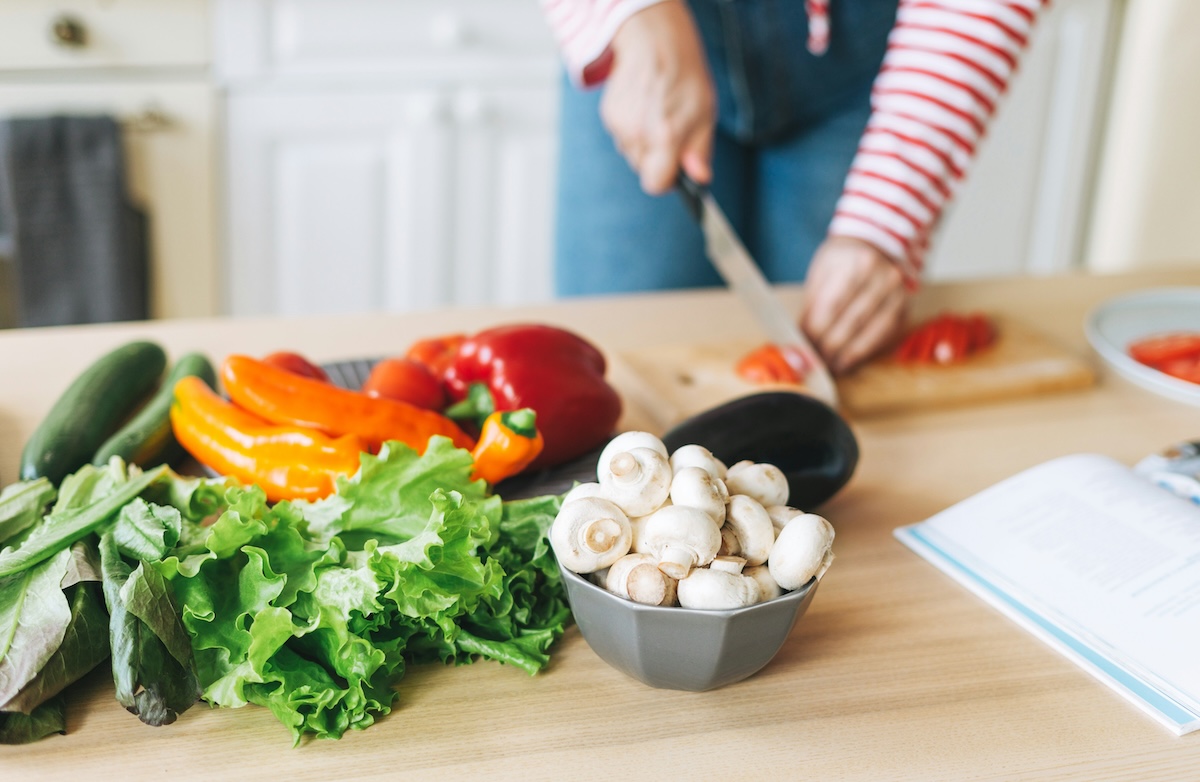
Try washing grapes when you bring them home, cutting up melons and pineapple, or washing and chopping vegetables for quick snacks.
You could also make a batch of hummus to enjoy with carrots, celery, and cucumber throughout the week.
On the weekend, make a big batch of healthy, whole food plant-based muffins – you can freeze them and then they’re available when you want a quick & easy breakfast.
The key is to make healthy foods convenient enough that you don’t have to think twice about eating them.
I have a ‘kitchen day’ once a week – usually Sunday or Monday – where I clean out my fridge, plan my meals for the week, and prep ahead as much as I can. I might make a batch of salad dressing or hummus for the week, make a pot of soup that we can re-heat throughout the week, pre-chop some fruit and veggies, make a batch of muffins etc. That way, on busier days, I’m not relying on willpower – I’ve set myself up for success by preparing ahead of time.
4. Start Preparing Dinner Before You’re Hungry
One of the easiest times to abandon your healthy eating plans is when you’re hungry, tired, and faced with an hour of meal prep.
When dinner still needs to be planned, ingredients need to be chopped, and everything needs to be cooked, ordering takeout or reaching for something quick can seem much more appealing.
Instead of waiting until dinnertime to begin, try getting a head start earlier in the day or even the evening before.
If you have a few minutes in the morning or around lunchtime, you could:
- Decide what you’re making for dinner.
- Wash and chop the vegetables you’ll need.
- Measure and rinse your grains, beans, or lentils.
- Prepare a salad dressing or sauce.
- Start a batch of soup in your Instant Pot or slow cooker.
- Put some rice in your rice cooker and set the timer so it’s ready by dinnertime.
You don’t need to prepare the entire meal in advance. Even completing a few steps can make the evening much easier. And once you’ve started the meal, you’ve basically committed yourself – so you’ll be less tempted to grab something else.
For example, this week I started a batch of pea soup in my instant pot in the morning. I sautéed the veggies, added the broth and remaining ingredients, and let it simmer for the day. An hour before dinner, I pureed about half of it to make it creamy, then simmered it to thicken it up. Then all I had left to do was to chop up the salad ingredients.
Since dinner was already started, I had already committed myself. I try to do this as often as possible, so that come dinnertime, I don’t have that feeling of dread that comes with needing to start dinner.


5. Keep Your Kitchen Stocked for Success
Have you ever planned to make a healthy meal, only to discover that you’re missing half the ingredients?
When that happens, it’s easy to abandon the plan and look for something more convenient.
A well-stocked kitchen can help prevent this.
Keep a supply of ingredients you regularly use to make simple, nutritious meals. Depending on your preferences, that might include:
- Canned beans and lentils.
- Oats, brown rice, and other whole grains.
- Frozen fruits and vegetables.
- Potatoes and sweet potatoes.
- Fresh seasonal produce.
- Ingredients for your favourite soups, sauces, and dressings.
Frozen fruits and vegetables are especially convenient because they’re already prepared and can be used whenever you need them.
You don’t need a pantry full of specialty ingredients or an elaborate meal plan. Just make sure you have the basics available to prepare a few reliable meals.
When the ingredients are already there, getting a healthy meal on the table becomes much easier.
In my kitchen, I keep a dry erase board on the side of the fridge. Whenever we run low on something, we add it to the list. Then when it’s time to place my grocery order, I just replenish what we’re running low on.
6. Keep Your Fridge and Pantry Organized
Have you ever bought fresh vegetables with the best intentions, only to find them forgotten at the back of your refrigerator a week later? Or started preparing a meal and discovered that the ingredient you needed was buried behind a dozen other things in your pantry?
When your kitchen is cluttered or disorganized, preparing healthy meals can feel like more work than it needs to be, and we’re more likely to resort to take-out.
A little organization can make a big difference.
Make healthy ingredients easy to see and easy to reach. Store frequently used foods where you can find them quickly. Keep canned beans, lentils, whole grains, and other pantry staples grouped together so you can see what you have available.
In your refrigerator, keep ready-to-eat fruit and prepared vegetables in convenient locations. I keep mine on the top shelf so they’re directly in my line of sight, and I remember to use them. Use clear glass containers, so you can easily see what’s inside.
It’s also helpful to rotate your groceries. When you bring home new produce, move older items to the front so they’re more likely to be used before they spoil.
Once a week, clean out your fridge (I use this day to make clean-out-the-fridge soup), discard anything that is no longer edible, and make a note of ingredients that need to be used up. Base your next week’s meal plan around those ingredients.
An organized kitchen makes it easier to plan meals, find ingredients, and use the food you’ve already purchased.
You don’t need a perfectly styled pantry or matching storage containers. The goal is simply to create a kitchen that works for you and makes preparing healthy meals more convenient.
7. Make Healthy Eating Easier With the Right Kitchen Tools
Preparing healthy meals doesn’t have to be complicated, and you don’t need a kitchen full of expensive gadgets to eat well. However, having a few useful kitchen tools can save you time, simplify meal preparation, and make it easier to cook at home.
Here are some tools worth considering:
- Instant Pot — Cook beans, curries, soups and chillies with less hands-on time.
- Slow cooker — Have a warm, ready-to-eat meal waiting for you at dinnertime.
- Rice cooker — Make preparing whole grains simple and consistent.
- Food processor — Quickly chop vegetables, make hummus or prepare sauces.
- High-speed blender — Blend smoothies, soups and creamy, oil-free dressings.
- Good knives and cutting boards — Make chopping and meal prep more efficient.
You don’t need to buy everything on this list. Start with the tools that would solve the biggest challenges in your own kitchen. The goal is to make preparing nourishing meals easier, faster, and more enjoyable.
When your kitchen works for you, healthy eating becomes easier to fit into everyday life.
8. Plan Your Meals Ahead of Time
Meal planning takes the guesswork out of deciding what to eat each day. When you know what’s on the menu, you’re less likely to find yourself staring into the fridge at dinnertime, wondering what to make.
You don’t need an elaborate meal plan to get started. Even planning a few days at a time can help you stay organized and make healthier choices.
- Plan meals around foods you already have. Check your fridge, freezer, and pantry before making your meal plan.
- Keep a collection of go-to meals. Having a list of easy, healthy meals you enjoy makes planning much simpler.
- Make a grocery list. Once you know what you’ll be eating, list the ingredients you need so you have everything on hand.
- Allow for busy days. Plan simple meals for days when you have less time or energy to cook.
A little planning ahead can save time, reduce food waste, and make it easier to stick with your healthy eating goals.
On my refrigerator dry erase board, there’s a section for each day of the week. I start by writing in whatever activities we have going on that could affect the time I have to prepare meals. With 5 of us in the house, there are lots of schedules to juggle. On nights we leave early, I know I need a meal that I can start early in the day so it’s ready to eat before we have to leave. On days we don’t have much going on, I know I can make slightly more elaborate meals.
10. Keep Healthy Convenience Foods on Hand
Even with the best intentions, there will be nights when you haven’t planned ahead, you’re short on time, or you’re simply too tired to cook a meal from scratch.
And that’s okay!
The key is to have some healthy convenience foods available so you’re not left choosing between spending an hour in the kitchen and ordering takeout.
Convenience foods don’t have to mean fast food or highly processed meals. There are plenty of options that can help you put together a nutritious meal with minimal effort.
For example, you could keep these items on hand:
- Veggie burgers: Choose options that fit your preferences, and serve them with a baked potato, a whole-grain bun, or a side salad. I like to have mine on a lettuce wrap to avoid the extra calories of the bun.
- Canned beans and lentils: Rinse them and add them to a salad, grain bowl, or quick soup.
- Frozen vegetables: Steam them in minutes to serve alongside beans, grains, or another simple main dish.
- Frozen fruit: Perfect for a quick smoothie or an easy addition to breakfast.
- Quick-cooking whole grains: Keep options such as quick-cooking oats or other convenient grains available to round out a meal.
You can also freeze leftover portions of your favourite homemade meals so you have something ready to reheat when you need it.
The important thing is to find convenience foods that work for you and keep them available before you need them.
For example, a veggie burger served with frozen steamed vegetables and a baked potato can make a satisfying meal without much preparation.
Healthy eating doesn’t require cooking everything from scratch. Having convenient options available is another way to set yourself up for success.
Rather than expecting yourself to prepare a perfect meal every night, plan for real life. When you have a few quick options ready, you’re less likely to abandon your healthy eating goals just because the day didn’t go as planned.
11. Build Healthy Habits Into Your Daily Routine
Your environment includes more than the things around you. Your daily routines can also help you make healthy choices with less effort.
For example, you could wash your fruit when you unpack your groceries, chop vegetables while preparing lunch, or plan tomorrow’s dinner while cleaning up after tonight’s meal.
These small actions become easier when they’re attached to something you already do.
Rather than relying on remembering to do everything later, build the task into your existing routine.
You don’t need to change your entire schedule overnight. Start with one habit that fits naturally into your day, and give yourself time to make it part of your routine.
Over time, these small changes can reduce the number of decisions you need to make and make healthy living feel less like a daily struggle.
Stop Fighting Yourself. Start Setting Yourself Up for Success.
Healthy eating doesn’t have to be a constant battle between what you want to do and what feels easiest in the moment.
Instead of asking yourself to exercise more willpower every day, look for ways to make the choices you want to make easier.
Keep fresh fruit where you can see it. Prepare snacks ahead of time. Get a head start on dinner. Stock your kitchen with ingredients for simple meals. Build healthy habits into your daily routine.
You don’t need to implement all these strategies at once. Choose one small change you can make today and see how it helps.
Then build on that success.
You don’t have to rely on willpower to build a healthier life. Set yourself up for success, one small step at a time.